
The shirt looked perfect when it left the shop. A few washes later, the logo was barely recognizable. So, what happened?
There’s something suspicious about a logo that disappears before its time.
One day, it’s bold, sharp, and exactly where it should be. The colors look great. The details are crisp. The shirt is ready to represent a business out in the world.
Then, a few laundry cycles later, something changes.
The once-vibrant print looks tired. The edges aren’t as sharp. The color has lost its punch. And the logo that was supposed to last through countless workdays is already starting to look like it has been through a decade of them.
Naturally, the questions begin.
Was it the shirt? The ink? The washing machine? Or did something go wrong long before anyone wore it?
Welcome to The Print Problem Files, a new series from Morningstar T-Shirts where we investigate the mysteries, mistakes, and science behind apparel printing.
Our first case? A disappearing logo.
And as with most good mysteries, the answer isn’t always where you’d expect to find it.
Case Evidence #1: The Print That Looked Perfect… Until It Didn’t
Here’s the tricky thing about premature print fading: the evidence doesn’t always appear immediately.
A freshly printed shirt can look fantastic. The colors can be vibrant, the artwork can be perfectly positioned, and the surface can feel smooth. To the untrained eye, everything looks exactly right.
But a good-looking print isn’t necessarily a durable print.
Think of it like painting a wall. The color might look flawless on day one, but if the surface wasn’t properly prepared or the paint wasn’t applied under the right conditions, problems could appear weeks later.
Apparel printing follows a similar principle.
A print’s long-term performance depends on several factors working together: the ink, the fabric, the production process, and how the finished garment is cared for.
When one of those elements doesn’t cooperate, the consequences might not show up until the shirt has already left the shop.
And that’s what makes this case interesting.
The real question isn’t simply why the logo faded. It’s when the problem actually began.
To find out, we need to examine the evidence.
Case Evidence #2: Four Suspects Behind Premature Print Fading
SUSPECT 1
The Cure That Never Quite Finished
The print might have looked ready, but the ink may not have reached the conditions needed for full curing.
SUSPECT 2
The Ink and Fabric Mismatch
Not every ink formulation behaves the same way on every garment. A poor combination can compromise the finished print.
SUSPECT 3
The Laundry Routine That Went Too Far
Excessive heat, aggressive detergents, and repeated abrasion can accelerate wear.
SUSPECT 4
The Fabric That Changed the Rules
The garment’s fiber composition, finish, and construction can influence how well a decoration holds up.
Suspect #1: The Cure That Never Quite Finished
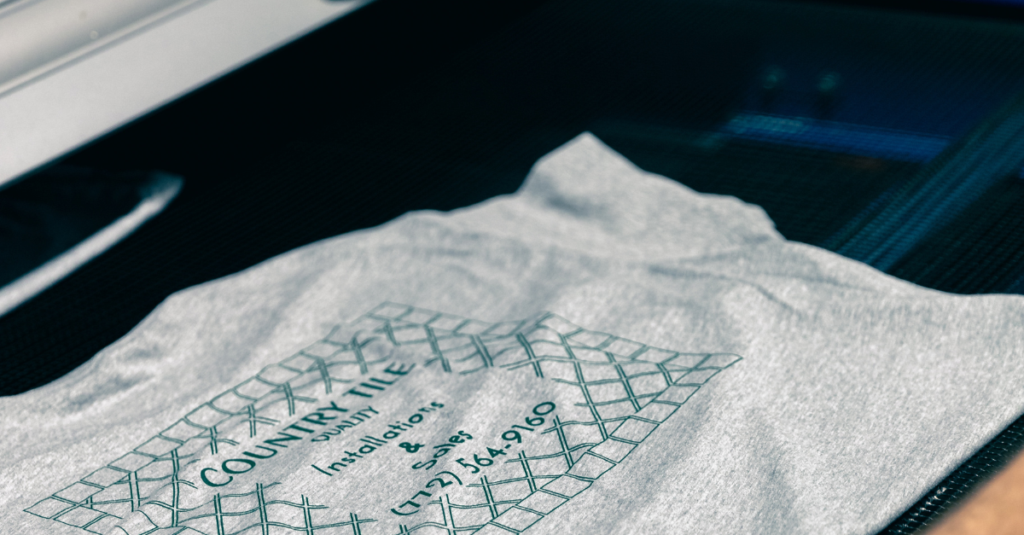
Let’s start with one of the most important steps in screen printing—and one that customers rarely get to see.
Curing.
In many screen-printing processes, the ink must reach specific conditions to develop its intended durability. For conventional plastisol inks, that typically means heating the ink deposit until it reaches the curing temperature specified by the manufacturer.
Sounds straightforward, right?
Heat the shirt. Cure the ink. Done.
Except there’s a difference between a print that feels dry and a print that’s actually cured.
Imagine baking cookies. They might look golden on the outside, but that doesn’t guarantee the center is finished. Pull them out too early, and you’ll discover the difference pretty quickly.
The same general principle applies to curing ink.
If the ink doesn’t receive enough heat for the necessary time, the print may remain undercured. That can affect its ability to withstand washing, stretching, and everyday wear.
The result? A design that initially looks beautiful but begins breaking down much sooner than expected.
And here’s another detail worth investigating: the temperature of the dryer isn’t necessarily the temperature of the ink.
Conveyor speed, ink thickness, garment material, and equipment conditions all influence the actual curing process.
That’s why proper production involves more than setting a machine to a number and hoping for the best.
At Morningstar T-Shirts, we understand that what happens after ink reaches the fabric matters just as much as what happens before it.
A logo isn’t finished simply because it looks finished. The production process needs to support the durability that customers expect.
Suspect #2: The Ink and Fabric That Weren’t Meant for Each Other
Here’s something most people don’t think about when ordering custom shirts:
Ink has preferences.
Not every ink formulation is designed for every fabric, and not every garment responds the same way to decoration.
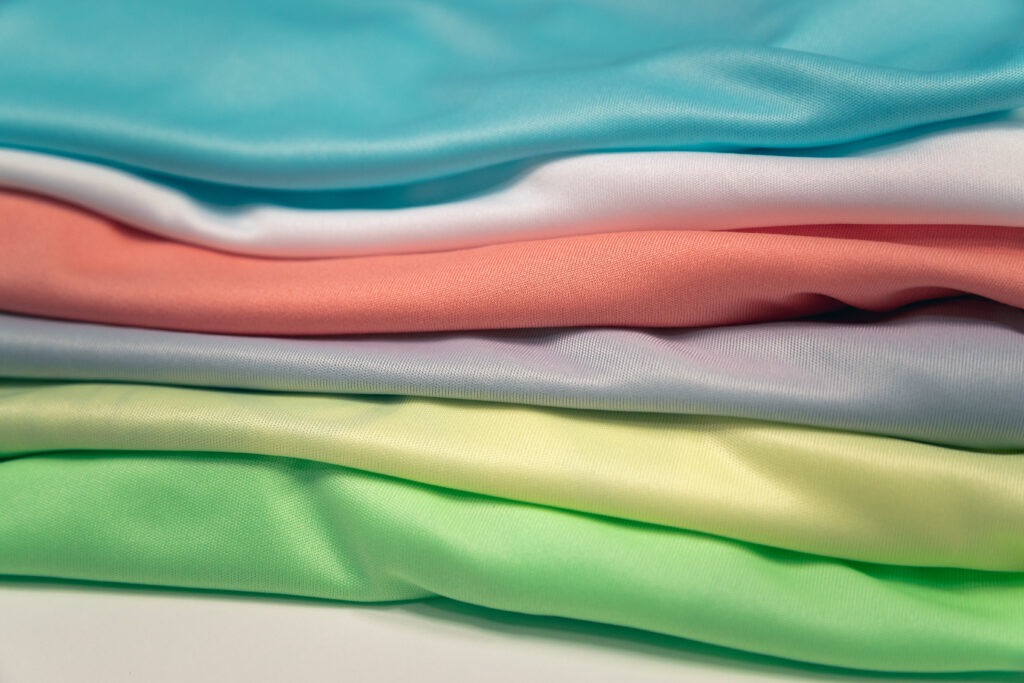
A standard cotton T-shirt, a polyester performance shirt, and a stretchy athletic garment might all carry the same company logo, but they can require different production considerations.
Take polyester, for example.
Some polyester garments are susceptible to dye migration, where dye from the fabric moves into the printed decoration under certain conditions.
Imagine printing a bright white logo on a red polyester shirt, only to discover that the white gradually takes on a pinkish tint.
The logo hasn’t necessarily faded. The fabric dye has altered its appearance.
That’s an entirely different mystery.
Other ink-related problems can involve poor adhesion, incompatible fabric finishes, or choosing a formulation that doesn’t accommodate the garment’s stretch and movement.
The important distinction is that not every disappointing print is caused by low-quality ink.
Sometimes, the ink itself is perfectly good.
It just wasn’t the right ink for that particular job.
This is why experienced apparel decorators consider the garment and decoration method together rather than treating them as two separate decisions.
At Morningstar, that means looking at the intended use of the apparel, its fabric composition, and the artwork before recommending an approach.
Because the best printing method isn’t always the one that looks most impressive on a sample.
It’s the one that makes sense for the garment and the work it’s expected to do.
Suspect #3: The Washing Machine With a Motive
Now, before we blame everything on the print shop, there’s another suspect we need to question.
The laundry room.
Picture a construction crew finishing a long day under the Florida sun.
Their work shirts have been through sweat, dust, dirt, and whatever else the jobsite threw at them. By the time those shirts reach the washing machine, they’re not exactly getting a gentle spa treatment.
Hot water. Harsh detergent. Long wash cycles. High-heat drying.
Sometimes, all four.
And while workwear needs to survive regular cleaning, even a properly produced print has limits.
High temperatures can place additional stress on certain decorations. Harsh chemicals can affect color and appearance. Repeated friction between garments can gradually wear down printed surfaces.
Over time, those conditions can accelerate visible deterioration.
Of course, one hot wash doesn’t automatically destroy a quality screen print. Properly cured and appropriately selected inks are designed to handle normal laundering.
But consistently aggressive care can shorten a print’s useful life.
For businesses ordering uniforms, this raises an important question:
Are employees being told how to care for their branded apparel?
A few practical habits can make a difference:
- Turn printed garments inside out before washing to reduce direct abrasion.
- Follow the garment’s care label and the decorator’s instructions.
- Use mild detergent when appropriate and avoid unnecessary harsh chemicals.
- Wash in cooler water when the garment’s soil level and care requirements allow.
- Avoid excessive dryer heat and remove garments promptly.
For heavily soiled workwear, cleaning requirements may be more demanding. The goal isn’t to sacrifice cleanliness for the sake of a logo, but to choose apparel and decoration methods that suit the actual laundering routine.
After all, uniforms aren’t museum pieces.
They’re supposed to be worn, worked in, washed, and worn again.
Suspect #4: The Shirt That Was Never Right for the Job
Here’s where the investigation takes an unexpected turn.
What if the problem wasn’t the printing process at all?
What if the wrong garment was chosen before the first drop of ink ever touched it?
Fabric selection plays a major role in how decorated apparel performs over time.
A lightweight cotton shirt might be comfortable for everyday use, but it may not be the ideal choice for every physically demanding job. A performance polyester shirt may offer useful moisture-management properties, but its dye chemistry and heat sensitivity can introduce decoration challenges.
Even fabric texture matters.
A smooth, stable surface generally provides a different printing experience than a highly textured, stretchy, or loosely constructed fabric.
Then there’s the issue of repeated wear.
A shirt that stretches across the shoulders, rubs against safety equipment, or experiences constant friction during work may place more stress on its decoration than a shirt worn occasionally at the office.
This doesn’t mean one fabric is universally better than another.
It means fabric selection should begin with a practical question:
What is this shirt actually going to go through?
For a landscaping crew working outdoors all summer, comfort, breathability, and laundering frequency might be major priorities.
For an office team, appearance, softness, and consistent color may matter more.
For a marine business, exposure to sun, saltwater, and repeated washing may influence the apparel decision.
The same logo can appear on all three uniforms.
But the smartest garment and decoration choices may be completely different.
That’s why choosing a shirt solely because it has the lowest unit price can create problems later.
Sometimes, the real savings come from selecting apparel that performs well enough to avoid premature replacements.
Case Evidence #3: Reading the Clues Left Behind
So, how can you tell which suspect is responsible?
The condition of the print can provide useful clues, although appearance alone can’t confirm the cause.
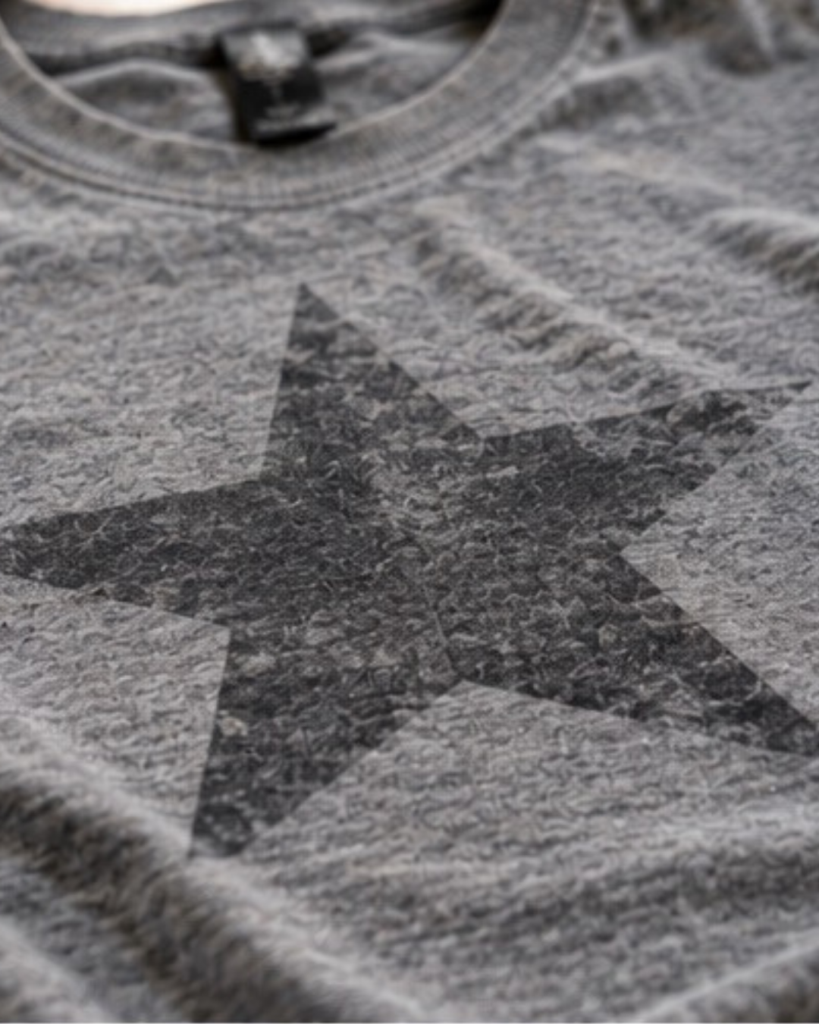
Clue: The entire logo looks dull or washed out.
Possible explanations include gradual abrasion, repeated harsh laundering, pigment wear, or an unsuitable print formulation.
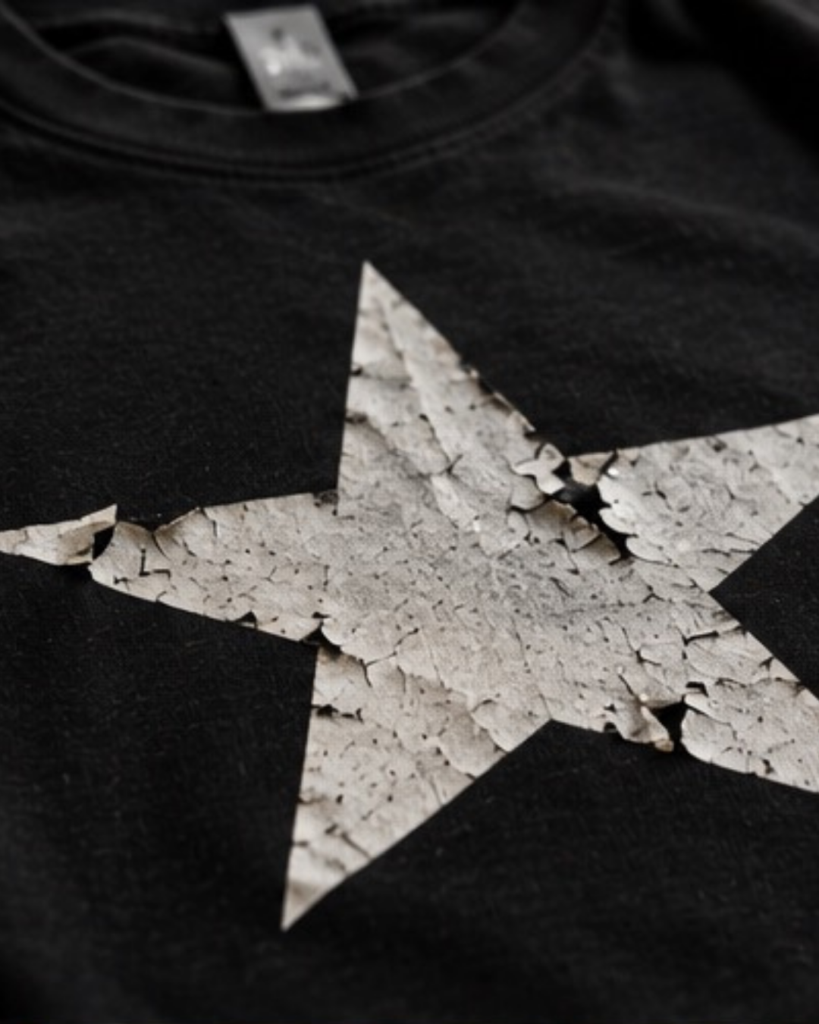
Clue: The design is cracking or peeling.
This can point toward curing, adhesion, excessive stretching, or heat-application problems, depending on the decoration method.
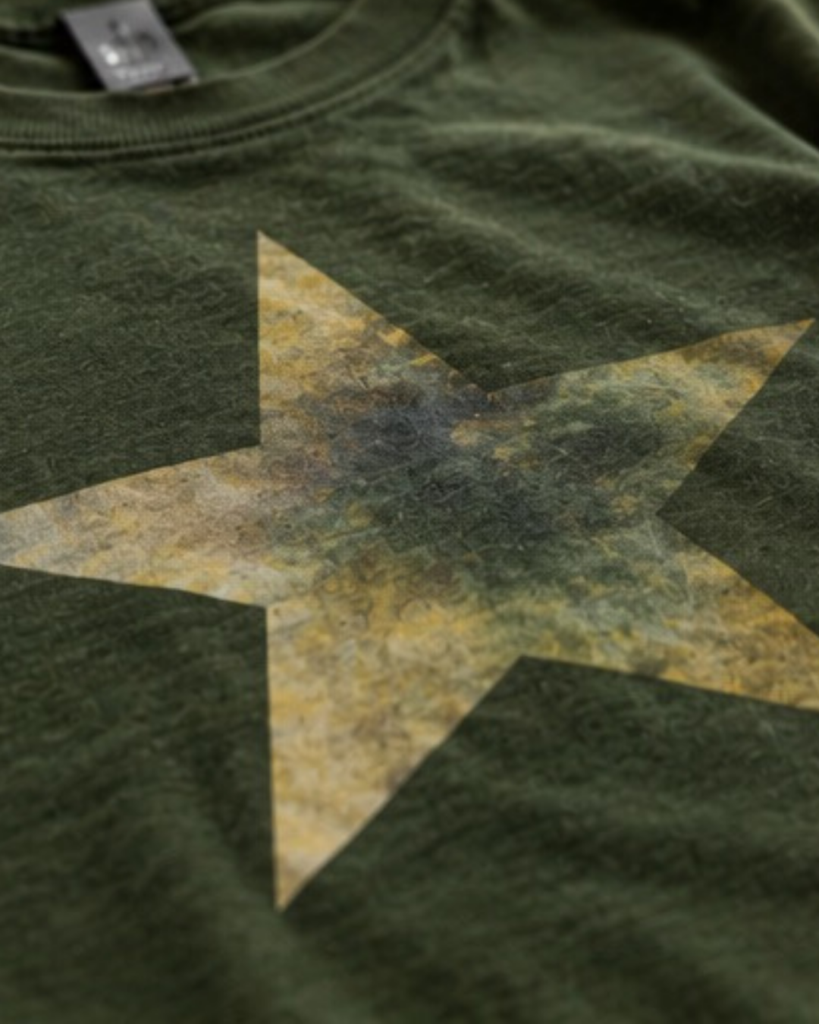
Clue: The logo is changing color rather than disappearing.
Dye migration, staining, or chemical exposure may be involved. This is especially worth investigating on certain synthetic fabrics.
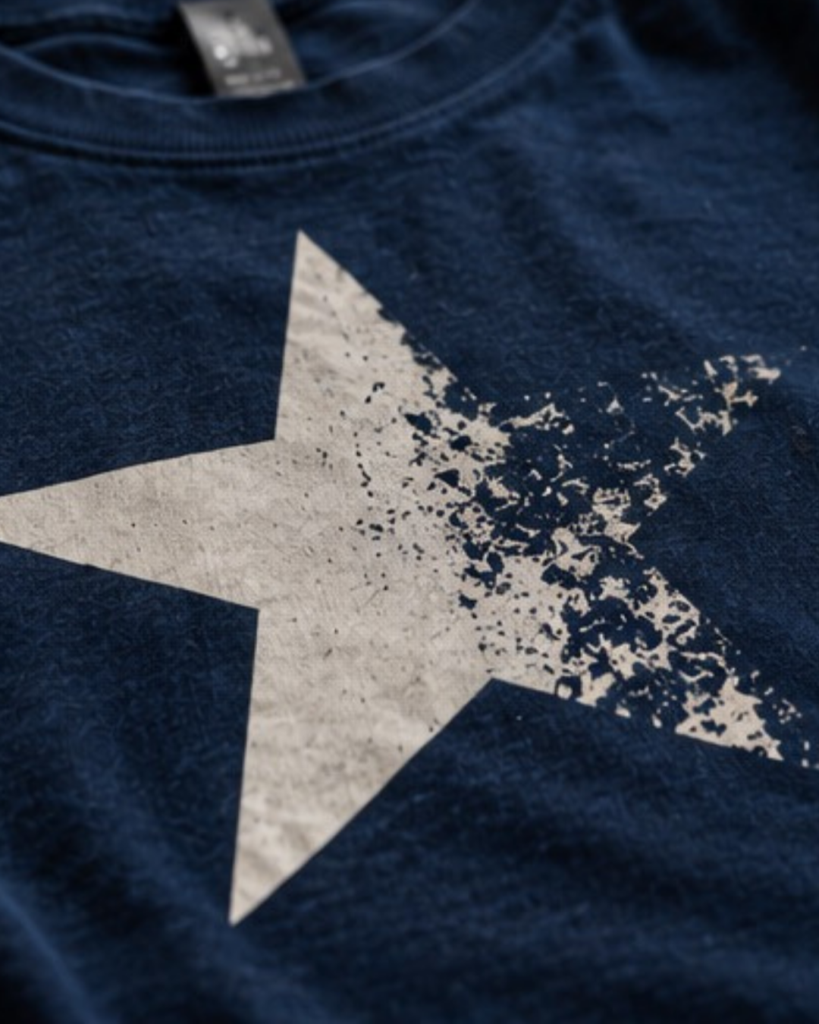
Clue: Only certain areas of the design are deteriorating.
Localized abrasion, uneven application, garment stretching, or production inconsistencies could be contributing factors.
The most useful investigation goes beyond simply looking at the damaged shirt.
A printer may need to examine the garment type, ink system, production settings, wash history, and whether other shirts from the same order show similar problems.
For example, if several shirts from the same production run deteriorate after only a few ordinary washes, that could suggest a production-related issue worth investigating.
But if one shirt has been repeatedly exposed to unusually harsh laundering while the others remain in good condition, the evidence may point in another direction.
The lesson?
A fading logo is a symptom. Finding the cause requires looking at the entire process.
Case Evidence #4: How to Keep the Next Logo From Disappearing
By now, we’ve identified several possible culprits.
But solving a print problem is only half the job.
The better question is how to prevent it from happening again.
And the answer usually begins long before production.
Start with the garment’s real-world job.
A shirt meant for occasional promotional events doesn’t face the same conditions as a uniform worn five days a week on a construction site.
Understanding how apparel will be used helps determine suitable fabrics and decoration methods.
Match the printing process to the material.
Screen printing, embroidery, and direct-to-film (DTF) transfers each have their own strengths and limitations.
For example, screen printing can be an excellent option for repeat designs and larger uniform orders when the ink and garment are properly matched.
Embroidery can provide a professional, textured finish on many polos, jackets, and caps, although it brings its own considerations for fabric stability and design detail.
DTF transfers can reproduce detailed, multicolor artwork on a variety of suitable garments, provided the transfer materials and heat-application conditions are compatible.
The goal isn’t to declare one method the winner.
It’s to choose the right tool for the job.
Treat quality control as part of the product.
A reliable production process considers artwork preparation, garment compatibility, application settings, curing or pressing requirements, and inspection.
Where appropriate, printers can use temperature checks, cure verification, and wash testing to help assess whether a print is ready for real-world use.
These steps may not be the most exciting part of creating custom apparel.
But they’re often the reason a logo still looks good months after the excitement of receiving a new uniform has worn off.
Think beyond the first day.
It’s easy to judge a custom shirt when it’s fresh out of the box.
The harder test comes later.
After the long shifts. The hot afternoons. The countless trips through the laundry.
That’s when thoughtful apparel decisions start proving their value.
At Morningstar, we believe custom apparel should do more than make a great first impression. It should make sense for the people wearing it and the businesses depending on it.
That starts with asking the right questions, understanding the materials, and paying attention to the details that customers may never see.
Because the best print isn’t simply the one that looks good when it leaves the shop.
It’s the one that’s been made with its future in mind.
Case Closed: The Disappearing Logo Wasn’t Such a Mystery After All
So, who was responsible?
The curing process? The ink? The washing machine? The fabric?
As it turns out, any one of them could have played a role. Sometimes, several factors work together.
A premature fade doesn’t automatically mean someone used cheap ink or bought a bad shirt. It means something about the materials, production conditions, garment use, or care deserves a closer look.
And that’s the interesting thing about apparel printing.
Behind every logo is a combination of chemistry, temperature, pressure, fabric behavior, and human decisions.
When those elements work together, the result is apparel that looks good and performs as intended.
When they don’t?
Well, that’s how another print mystery begins.
The verdict: A logo’s durability isn’t determined by how good it looks on day one. It’s shaped by everything that happens before, during, and after printing.
And that, dear, is why the smallest production details can make the biggest difference.
THE PRINT PROBLEM FILES • CASE #001 CLOSED
Your logo has a job to do. Let’s make sure it’s ready.
Whether you’re ordering shirts for a hardworking outdoor crew, refreshing company uniforms, or choosing apparel for your next event, Morningstar T-Shirts can help you explore garment and decoration options that fit your needs.
No mystery required.
Coming next in The Print Problem Files: More curious cases, behind-the-scenes investigations, and the science behind the prints we wear every day.