

It’s 6:00 AM and your phone is already lighting up.
A foreman needs three new shirts. Someone’s logo peeled after a month. A new hire starts Monday and doesn’t have construction workwear yet. Half the crew is wearing slightly different versions of the same color— close enough to pass, but not close enough to look intentional.
And somehow, you’re still the one managing it.
You’ve built systems for estimating, scheduling, payroll, and safety. You don’t pour concrete without a plan. You don’t walk onto a job site without structure.
But when it comes to apparel, it’s often reactive.
The truth is, most companies start with a “t-shirt guy”. And that works – until it doesn’t.
Here are five clear signs you may have outgrown your current vendor — and what that really means for your business.
You’re re-answering the same questions.
Was it navy or royal?
Left chest or full front?
Can you resend the logo file?
If every reorder feels like starting from scratch, you don’t actually have a system. You have a series of transactions.
That might not seem like a big issue — until you realize how much time it absorbs. Small decisions repeated over and over drain attention that should be spent elsewhere. The frustration isn’t loud, but it’s persistent.
Growing companies need stability in the background. Approved garments. Defined logo placements. Saved artwork. Clear documentation. The kind of infrastructure that makes reordering feel automatic instead of negotiable.
When construction workwear requires constant clarification, it’s a sign that the foundation hasn’t been formalized yet.
And the longer that goes unaddressed, the heavier it feels.
There’s something subtle about the first day.
A new crew member shows up in a plain shirt while everyone else is branded. No one says anything, but it’s noticeable. To clients. To the team. To the new hire himself.
Uniforms aren’t just fabric. They signal belonging. Alignment. Professionalism.
When there’s a two- or three-week lag every time you hire someone, your apparel process is no longer keeping pace with your growth. The disconnect becomes visible on job sites.
Construction workwear should be part of onboarding — not an afterthought.
The strongest companies treat presentation as an extension of operations. They prepare for growth instead of scrambling behind it. When a new employee walks onto a site fully outfitted, it communicates readiness.
The absence of that readiness communicates something else.
And over time, those small impressions add up.
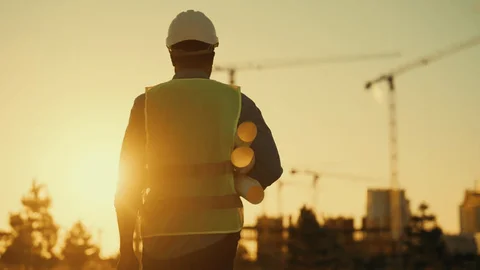
Construction environments are demanding. Heat. Dust. Sun exposure. Constant washing. Movement that pulls and stretches fabric all day long.
When logos crack, fade, or peel after a handful of washes, it doesn’t just look worn — it quietly misrepresents your standards.
Many rely on decoration techniques that prioritize cost over durability. And while the upfront price may look attractive, replacement cycles tell a different story.
The real cost isn’t the invoice. It’s the repetition.
Replacing shirts more often than necessary chips away at efficiency. It also chips away at brand perception. Clients may not analyze the decoration techniques, but they notice when apparel looks tired.
High-performing construction workwear should match the durability of the crews wearing them.
When your equipment is built to last but your branding isn’t, there’s a disconnect worth addressing.
If someone asked what you spent on your construction workwear last year, would you know?
For many growing companies, the numbers are larger than expected. Orders are placed through email threads, text messages, and quick calls. Invoices live in different folders. Reorders happen without tracking patterns.
It doesn’t feel significant because it’s fragmented.
But fragmentation hides inefficiency.
As companies scale, apparel stops being occasional purchases and becomes operational expenses. And operational expenses deserve visibility.
Without consolidated reporting or standardized pricing, forecasting becomes guesswork. Budgeting becomes reactive. Opportunities to streamline go unnoticed.
Structure brings clarity. And clarity creates control.
There’s a quiet confidence that comes from knowing exactly where resources are going — and why.
“Can I get two more?”
“Do we have long sleeves?”
It’s never just one request. It’s the steady accumulation of small approvals that pull you away from larger priorities.
When you had five employees, that oversight felt manageable. Maybe even necessary.
At fifteen, it starts to strain.
At thirty, it becomes unsustainable.
Leadership should be focused on bidding projects, strengthening client relationships, and guiding growth — not tracking shirt quantities.
When apparel requires constant managerial involvement, the issue isn’t effort. It’s structure.
The most resilient companies build guardrails instead of micromanagement. Pre-approved designs. Standardized options. Clear workflows. A system that functions smoothly without constant supervision.
It’s not about relinquishing control.
It’s about designing it intelligently.
Outgrowing a vendor isn’t about dissatisfaction. It’s about evolution.
There’s nothing wrong with how things started. Informal systems serve their purpose in early stages. But growth has a way of exposing what no longer fits.
When three or more of these signs feel familiar, it’s not a failure. It’s a signal.
You don’t need another rushed order or another slightly cheaper quote.
You need alignment.
You need construction workwear managed with the same intentionality you bring to job planning and crew management.
Because your team is often the first thing a client sees. Before the finished structure. Before craftsmanship. Before the final walkthrough.
They see your people.
And what your people wear quietly communicates how you operate.
When apparel becomes streamlined — durable, consistent, predictable — something shifts. The friction disappears. The mental load lightens. The presentation sharpens.
And you’re free to focus on building what actually grows your company.
That’s not about shirts.
It’s about systems.
And strong systems support strong businesses.
Get a Free Apparel Assessment to see where your uniform program could work smarter, not harder.